

How to Improve Cellular Energy Levels: A Science-Backed Guide
Table of Contents
- How Mitochondria Generate Cellular Energy
- Step 1: Optimize Your Circadian Rhythm for Peak Energy Production
- Step 2: Fuel Mitochondrial Health with Nutrient-Dense Foods
- Step 3: Support NAD+ Production with Mitochondrial Health Supplements
- Step 4: Activate Mitochondrial Repair Through Physical Activity and Hormesis
- Step 5: Reduce Oxidative Stress and Environmental Toxins
- The Benefits of NMN for Energy Recovery and Mental Clarity
- Common Mistakes to Avoid When Restoring Cellular Energy
Last Updated: August 21, 2026
How Mitochondria Generate Cellular Energy
Mitochondria are the power plants of your cells, converting nutrients from food into adenosine triphosphate (ATP), the universal energy currency your body uses for every function. Through cellular respiration, your cells break down carbohydrates, fats, and proteins. These molecules enter the mitochondria, where chemical reactions strip away electrons and pump protons across the inner mitochondrial membrane, creating an electrochemical gradient. Protons flow back through ATP synthase, an enzyme that harnesses this flow to phosphorylate ADP into ATP.
This system declines with age: mitochondria become less efficient at producing ATP, accumulate oxidative damage, and repair themselves more slowly. The result is afternoon slumps, brain fog, and fatigue by 3 PM. The good news is that mitochondrial dysfunction isn't inevitable. Your lifestyle directly influences how well your mitochondria perform.
Step 1: Optimize Your Circadian Rhythm for Peak Energy Production
Your cells follow a 24-hour circadian rhythm that syncs with the sun. When aligned, your mitochondria ramp up ATP production during the day and scale back at night. When misaligned, energy production becomes erratic.
Morning sunlight is the most powerful circadian signal. It triggers cortisol release, activating mitochondria and preparing you for the day. Evening darkness signals melatonin release, telling cells to wind down. Get 15-30 minutes of bright morning light within an hour of waking, this is the single most powerful lever for aligning your circadian rhythm and boosting daytime energy. Natural sunlight is best, but a light therapy lamp works if you can't get outside. In the evening, dim your lights after sunset and avoid blue light from screens for at least two hours before bed.
Sleep quality directly impacts mitochondrial health. During sleep, your cells perform mitophagy, the selective removal and recycling of damaged mitochondria. Aim for 7-9 hours consistently, going to bed and waking at the same time every day, even on weekends (the CDC).
Step 2: Fuel Mitochondrial Health with Nutrient-Dense Foods
Your mitochondria need specific nutrients to produce ATP efficiently. Eat whole, minimally processed foods and skip added sugars and refined carbohydrates that spike blood glucose and trigger oxidative stress.
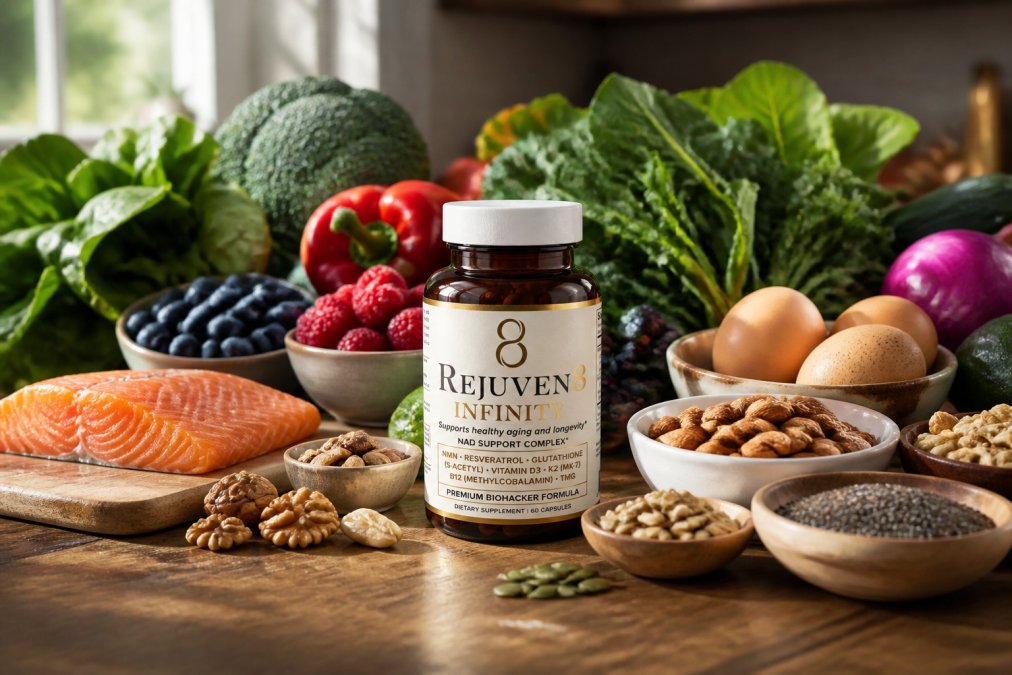
Key Nutrients That Power ATP Production
B-vitamins are cofactors in the electron transport chain and ATP synthesis. B6, B12, and folate are especially important. Sources include grass-fed beef, wild-caught salmon, eggs, leafy greens, and legumes.
Magnesium activates ATP synthase, the enzyme that makes ATP. Most people are deficient. Spinach, pumpkin seeds, almonds, and dark chocolate are rich sources.
Coenzyme Q10 shuttles electrons in the electron transport chain. Fatty fish, organ meats, and nuts contain it. Supplementation becomes relevant after age 40.
Iron is required for cytochrome oxidase, a critical enzyme in cellular respiration. Red meat, shellfish, and legumes are good sources.
Carnitine transports fatty acids into mitochondria for oxidation. Beef, chicken, and dairy contain carnitine.
Reduce refined carbohydrates and added sugars, which create blood glucose spikes that trigger oxidative stress and mitochondrial damage.
Step 3: Support NAD+ Production with Mitochondrial Health Supplements
NAD+ is a coenzyme central to cellular energy metabolism. It accepts electrons during glucose and fatty acid breakdown, then passes them to the electron transport chain. NAD+ levels decline dramatically with age, a 60-year-old has roughly 50% of the NAD+ of a 20-year-old (peer-reviewed research).
Lifestyle factors like exercise, fasting, and sleep increase NAD+, but for most people over 40, lifestyle alone isn't enough to restore NAD+ to youthful levels.
Why NMN Stands Out for Cellular Energy
NMN (nicotinamide mononucleotide) is a direct NAD+ precursor. When you consume NMN, your cells convert it to NAD+ through a well-characterized enzymatic pathway. Studies show that NMN supplementation restores mitochondrial function, improves glucose metabolism, and enhances physical performance.
The challenge with most NMN supplements is bioavailability. Standard NMN powder has poor absorption. Rejuven8 Pharmaceuticals offers an advanced delivery technology designed to enhance cellular uptake. clinical NAD testing.
The typical dose is 250-500 mg daily. Rejuven8 Infinity delivers this in a single daily capsule at $49.99. Other NAD+ boosters exist, but NMN remains a well-tolerated approach.
Step 4: Activate Mitochondrial Repair Through Physical Activity and Hormesis
Exercise is one of the most powerful mitochondrial stimuli available. When you exercise, your muscles demand massive amounts of ATP, triggering mitochondrial biogenesis, your cells respond by building new mitochondria and upgrading existing ones.

Aim for 150 minutes of moderate-intensity aerobic activity per week, plus two sessions of resistance training. Intensity matters more than duration: a 20-minute high-intensity interval training session can trigger more mitochondrial biogenesis than an hour of steady-state cardio.
Cold and heat exposure also activate hormesis. Brief cold exposure triggers mitochondrial biogenesis and increases brown adipose tissue. Heat exposure triggers heat shock proteins that repair damaged mitochondria. Don't overdo it, excessive exercise without adequate recovery damages mitochondria through oxidative stress. The sweet spot is challenging workouts with 48 hours recovery between intense sessions.
Step 5: Reduce Oxidative Stress and Environmental Toxins
Oxidative stress is the primary driver of mitochondrial dysfunction. Free radicals attack mitochondrial proteins, lipids, and DNA. Environmental toxins accelerate oxidative stress.
Avoid smoking and secondhand smoke. Minimize alcohol consumption. Eat organic produce when possible, especially high-pesticide crops like strawberries, spinach, and apples.
Support your antioxidant defenses through diet. Polyphenols from berries, dark chocolate, and green tea activate antioxidant enzymes. Sulfur-containing compounds from cruciferous vegetables boost glutathione, your cells' master antioxidant. Curcumin from turmeric and ashwagandha reduce inflammation and oxidative stress.
Exercise and sleep remain the most powerful antioxidant interventions. Both upregulate your body's own antioxidant production and allow cells to clear damaged mitochondria through mitophagy.
The Benefits of NMN for Energy Recovery and Mental Clarity
When you improve cellular energy levels, you notice it. Energy recovery is often the first sign, the afternoon slump disappears and you wake without grogginess. Mental clarity follows as brain fog lifts and focus improves. Your brain consumes 20% of your body's ATP despite being only 2% of your body weight, so better mitochondrial function directly improves cognitive performance.
Many people also report improved physical recovery. Workouts feel less draining and muscle soreness decreases. The cumulative effect is a genuine improvement in quality of life.
Rejuven8 Pharmaceuticals' Rejuven8 Infinity formula supports NAD+ production with an advanced delivery system designed to reach your cells. You won't feel dramatically different after one dose, cellular changes take weeks. Most people report noticeable improvements in energy and mental clarity within 4-6 weeks of consistent supplementation. Consistency matters more than anything else.
Common Mistakes to Avoid When Restoring Cellular Energy
The most common mistake is expecting supplements to work without lifestyle changes. NMN is powerful, but it works best combined with sleep, exercise, and a nutrient-dense diet.
Another mistake is inconsistency. Cellular changes are cumulative, you need at least 4-6 weeks of consistent daily supplementation to assess whether something is working.
Overdoing exercise is surprisingly common. Progressive, moderate-intensity exercise with adequate recovery is far more effective than sporadic intense workouts.
Ignoring sleep is another killer. You can optimize everything else, but if you're sleeping five hours a night, your mitochondria won't recover properly.
Many people also neglect circadian rhythm alignment. Consistent sleep-wake times and light exposure are foundational.
Finally, choose high-quality supplements. Not all NMN is created equal. You're better off taking a smaller dose of high-quality NMN than a larger dose of inferior product. Rejuven8 Pharmaceuticals' commitment to advanced delivery technology reflects this principle.
Restoring cellular energy requires consistency across multiple domains. Your mitochondria respond to light exposure, nutrient quality, exercise intensity, sleep duration, and NAD+ availability. Start with circadian rhythm alignment and sleep, these are the foundation. Add exercise and nutrient-dense foods. Then consider supplementation with a high-quality NMN formula like Rejuven8 Infinity to directly support NAD+ production and accelerate mitochondrial recovery. The combination works because each element addresses a different aspect of cellular energy metabolism.
Frequently Asked Questions
Q: How does NAD+ impact cellular energy production?
A: NAD+ is a critical coenzyme that drives ATP production, the energy currency your cells use. As you age, NAD+ levels decline naturally, reducing your mitochondria's ability to generate energy efficiently. Supporting NAD+ production through supplementation and lifestyle changes restores cellular respiration and helps combat age-related fatigue. This is why NAD+ precursors like NMN have become central to cellular energy optimization protocols.
Q: What's the best supplement for improving cellular energy levels?
A: NMN (nicotinamide mononucleotide) is one of the most researched options for boosting cellular energy because it directly supports NAD+ production and mitochondrial biogenesis. Rejuven8 Infinity combines NMN with advanced delivery technology at $49.99, designed to enhance absorption and bioavailability. Pairing NMN with coenzyme Q10, alpha-lipoic acid, and B-vitamins can be a comprehensive approach to restoring energy and mental clarity.
Q: Can lifestyle changes alone improve mitochondrial function without supplements?
A: Yes. Consistent sleep, regular physical activity, a nutrient-dense diet, stress management, and circadian rhythm alignment can meaningfully improve mitochondrial health and energy production. However, after age 40, NAD+ levels decline significantly regardless of lifestyle, which is why many people find combining these habits with targeted supplementation produces noticeable results in energy, focus, and physical stamina.
Q: How long does it take to notice improved energy levels?
A: Most people report initial improvements in mental clarity and reduced afternoon fatigue within 2-4 weeks of consistent practice. Physical stamina and sustained energy gains typically become more apparent after 8-12 weeks as mitochondrial biogenesis progresses. Results vary based on age, baseline NAD+ levels, and adherence to the full protocol including sleep, exercise, and nutrition.