

Natural Ways to Boost NAD+ Levels Besides NMN
Table of Contents
- Why NAD+ Declines and What You Can Actually Control
- Foods That Support NAD+ Production: What Belongs on Your Plate
- Exercise and NAD+ Levels: How Movement Drives Cellular Energy
- What Depletes NAD+ Levels: Everyday Habits That Work Against You
- Sleep, Circadian Rhythm, and Fasting: Two Levers Most People Ignore
- NAD+ Supplements Besides NMN: NR, Niacin, and Nicotinamide Compared
- How to Measure NAD+ and Why Testing Has Limits
- A Realistic Routine to Boost NAD+ Levels Beyond One Pill
- Frequently Asked Questions
Last Updated: October 12, 2026
Why NAD+ Declines and What You Can Actually Control
NAD+ (nicotinamide adenine dinucleotide) is a coenzyme in every cell. It turns food into energy and supports cellular repair.
The good news: most of what drives that drop is not fixed. Daily habits play a bigger role than most people realize.
This guide covers natural ways to boost NAD+ levels besides NMN: food, movement, sleep, and fasting all influence how your body makes and uses NAD+.
The Difference Between Precursors and Supportive Habits
NAD+ precursors are compounds your body converts into NAD+. NMN and NR are best known; niacin and nicotinamide are others.
Supportive habits contain no precursors. They help your body build NAD+ and slow how fast it is used up.
That second group matters more than most people think.
- Precursors give your body raw material
- Supportive habits protect that material and improve how well it works
- Neither one works well without the other
So before you buy anything, fix the basics. Food, exercise, sleep, and alcohol habits come first.
Foods That Support NAD+ Production: What Belongs on Your Plate
No food contains NAD+. What foods provide are precursor nutrients, mainly vitamin B3 forms, that your body converts into NAD+ through a multi-step pathway.
That distinction sets realistic expectations: food supports your baseline but does not spike levels the way a concentrated precursor supplement might.
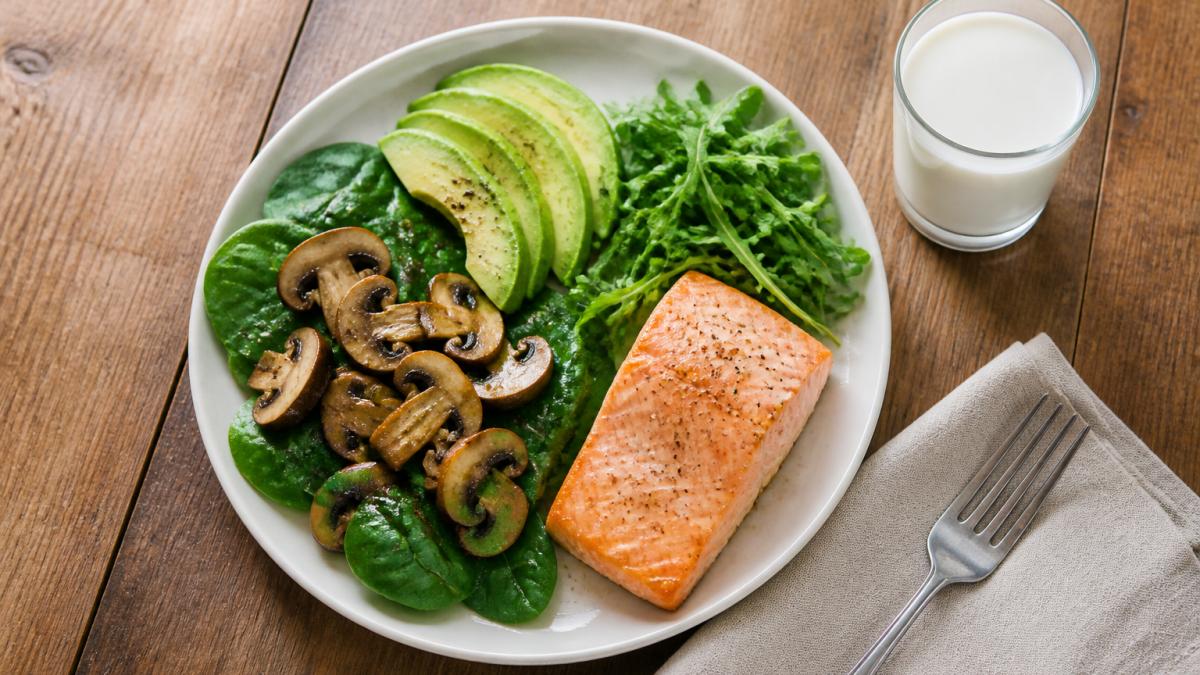
What Each B3 Form Actually Contributes
The three dietary forms of vitamin B3 behave differently and appear in different foods.
- Niacin (nicotinic acid), found in poultry, fish, peanuts, and fortified cereals. It is the form most likely to cause flushing at higher intakes. The tolerable upper intake level for adults set by the Food and Drug Administration is 35 mg per day for supplemental niacin, precisely because of that flushing effect.
- Nicotinamide (niacinamide), found in dairy, fish, and poultry. It does not cause flushing, which makes it gentler, but very high supplemental doses have been associated with liver effects in some clinical reports.
- Nicotinamide riboside (NR), occurs naturally in milk and some dairy products, but only in trace amounts. The quantities in food are far below what research studies use when testing NR as a supplement.
Realistic Food Sources, Ranked by Contribution
Aim for variety across the week rather than hitting every item daily:
- Poultry and fish, reliable niacin and nicotinamide, plus protein that supports muscle retention
- Mushrooms, one of the few plant foods with meaningful niacin content
- Dairy (milk, yogurt, cheese), riboflavin, B12, and small amounts of NR
- Leafy greens, broad B vitamin support, though modest B3 specifically
- Peanuts and sunflower seeds, concentrated niacin
- Avocados, niacin plus healthy fats
- Fortified cereals, added B3, useful but often paired with added sugar
The Honest Limit of Food-Based Approaches
Most listicles will not tell you this: precursor content in whole foods is modest, and conversion pathways from dietary B3 to NAD+ are rate-limited. You cannot eat your way to a dramatic NAD+ increase.
If a headline claims a food "boosts NAD+ by X percent," be skeptical. Those figures come from lab or animal work using isolated compounds at doses far above a meal. Food is the foundation, not the lever with the biggest range of motion.
Exercise and NAD+ Levels: How Movement Drives Cellular Energy
Physical activity is one of the strongest natural levers you have. Research on exercise and mitochondrial function shows that regular movement supports mitochondrial health, and mitochondria depend on NAD+ to make energy.
The relationship runs both ways: exercise helps your body produce NAD+ and helps cells use it more efficiently.
Aerobic exercise has the clearest effect, brisk walking, cycling, swimming, or jogging. Aim for 150 minutes per week across most days.
Strength training protects muscle tissue, which matters because muscle loss speeds the age-related NAD+ decline.
You do not need a gym membership to start.
- Walk briskly for 30 minutes, five days a week
- Add two short strength sessions
- Break up long sitting periods with movement
What Depletes NAD+ Levels: Everyday Habits That Work Against You
Alcohol is the biggest one. Your body uses NAD+ to process it.
Poor sleep raises oxidative stress, which uses up NAD+.
Chronic overeating and high blood sugar put constant demand on energy metabolism, drawing on your NAD+ pool.
Long stretches of sitting reduce mitochondrial activity, meaning less efficient energy use.
If you want to boost NAD+ levels, plug the leaks first.
Shop Now →
Sleep, Circadian Rhythm, and Fasting: Two Levers Most People Ignore
Sleep and fasting get far less attention than supplements, yet both influence NAD+ metabolism directly.
Your circadian rhythm is your internal 24-hour clock, and NAD+ levels rise and fall with it.
The fix is simple, if not always easy:
- Go to bed and wake up at the same time daily
- Get bright light in the morning
- Keep your room dark and cool at night
Fasting and time-restricted eating work differently. Going without food for a stretch shifts your body into repair mode, tied to NAD+ activity.
You do not need extreme fasting. A 12-hour overnight fast is a realistic starting point for most people.
NAD+ Supplements Besides NMN: NR, Niacin, and Nicotinamide Compared
If you want to boost NAD+ beyond food and habits, other precursors are worth understanding. Each has a different profile and evidence base, where most comparisons fall short.
| Precursor | Common Form | Key Trait | Evidence Quality | Who It May Suit |
|---|---|---|---|---|
| NR (nicotinamide riboside) | Capsule | Well studied, no flushing | Human trials exist, mostly short-term and small | Most healthy adults |
| Niacin (nicotinic acid) | Capsule, food | Can cause flushing | Strong human data for lipids, less for NAD+ outcomes | Those who tolerate flushing |
| Nicotinamide | Capsule, food | Gentle, no flushing | Human data at moderate doses | Sensitive users |
| NMN | Capsule, powder | Popular, higher cost | Human trials emerging, still limited | Those wanting a targeted option |
How to Read the Evidence Honestly
Competitors gloss over this. When a precursor "raises NAD+ levels," ask three questions:
- Was the study in humans, animals, or cells? Many headline findings come from mice or laboratory dishes. Mouse metabolism is not human metabolism.
- How long did it run? Most human trials on NR and NMN run weeks to a few months, not years. Long-term outcomes are largely unknown.
- What was actually measured? A rise in blood NAD+ is a biomarker change. It is not the same as improved energy, slower aging, or disease prevention. Those outcomes require separate, longer studies that have not yet been completed for most precursors.
A common pattern: blood NAD+ rises measurably while clinical benefits, energy, physical function, metabolic markers, show mixed or modest results. That gap between biomarker and outcome is the most important thing to understand before spending money.
Safety, Contraindications, and Who Should Ask a Doctor First
Precursors are not risk-free, and cautions are rarely stated plainly.
- Niacin can cause flushing, itching, and, at high doses, liver stress and blood sugar changes. It can interact with statins and diabetes medications. Anyone with liver disease, diabetes, or a history of gout should talk to a clinician before supplementing.
- Nicotinamide at high doses has been linked to liver enzyme changes in some reports. Moderate doses are generally well tolerated.
- NR and NMN have reassuring short-term safety data in healthy adults, but long-term safety is not established. People who are pregnant, breastfeeding, or taking blood thinners should avoid them without medical guidance.
- Anyone with cancer or a history of cancer should be especially cautious. NAD+ supports cellular metabolism broadly, and the theoretical concern that it could support unwanted cell growth has not been fully ruled out.
Formulation and Absorption Matter More Than the Label
A common mistake is chasing the newest precursor while ignoring dose, quality, and consistency. Two products with the same ingredient name can differ substantially in absorption and shelf stability. Look for third-party testing, clear dosing, and a manufacturer willing to share stability data.
At Rejuven8 Pharmaceuticals, our science-backed NMN formula uses advanced delivery technology for targeted absorption. We also pair it with a 3-step approach to cellular activation, so the supplement supports a routine rather than replacing one.
How to Measure NAD+ and Why Testing Has Limits
You can measure NAD+ levels, but results come with real caveats.
Testing usually involves a blood draw or saliva sample, and some labs offer at-home kits.
A single reading tells you little; the trend over time matters more.
The bigger limitation: a number does not show how your cells use NAD+.
Use testing as one signal among many. Track your energy, sleep quality, and focus alongside any lab result.
A Realistic Routine to Boost NAD+ Levels Beyond One Pill
The most effective plan is not a single product but a set of habits that reinforce each other.
Here is a simple, prioritized routine:
- Fix sleep first. Same bedtime, same wake time, dark room.
- Move daily. 150 minutes of aerobic activity per week, plus two strength sessions.
- Eat for B3. Poultry, fish, mushrooms, dairy, leafy greens, nuts.
- Cut alcohol. Fewer drinks, fewer nights.
- Try time-restricted eating. Start with a 12-hour overnight fast.
- Watch your weight and blood sugar. Steady glucose supports energy metabolism.
- Add a precursor if needed. Only after the basics are in place.
Most people see the biggest change from steps one through four; the rest build on that base.
Fatigue and brain fog by mid-afternoon are common but not inevitable. The habits above give your body what it needs to support NAD+ production naturally.
Frequently Asked Questions
How do you raise NAD+ levels naturally?
You can support NAD+ levels through daily habits rather than a single fix. Eat foods that support NAD+ production, including leafy greens, mushrooms, dairy, poultry, fish, peanuts, avocados, and fortified cereals. Move your body regularly with aerobic exercise, which supports mitochondrial function and energy metabolism. Protect sleep quality and circadian rhythm, limit alcohol, and maintain a healthy weight. Time-restricted eating may also help by giving cells periods of lower metabolic demand. None of these work overnight, but together they create conditions where NAD+ production can keep up with demand.
What depletes NAD+ levels in the body?
Several everyday factors drive NAD+ down. Chronic alcohol use is one of the strongest, because the body burns NAD+ to metabolize it. Poor sleep and disrupted circadian rhythm, ongoing high blood sugar, excess body fat, and persistent inflammation all increase NAD+ consumption. Aging itself reduces NAD+ production while raising demand from cellular repair. Intense exercise without recovery can also temporarily lower levels. You cannot stop aging, but you can reduce the load from alcohol, poor sleep, and blood sugar swings, which are the levers most people actually control.
Can exercise increase NAD+ levels?
Exercise and NAD+ levels are linked through mitochondrial function. Aerobic exercise, such as brisk walking, cycling, or swimming, prompts cells to build more mitochondria and improves energy metabolism. Research suggests this can support NAD+ production and help the body use it more efficiently. The effect is not instant and depends on consistency. Aim for 150 minutes of moderate aerobic activity per week, plus two strength sessions. Overtraining without adequate recovery can backfire, so balance intensity with rest days and sleep.
What are the alternatives to NMN for supporting NAD+?
NAD+ supplements besides NMN include nicotinamide riboside (NR), niacin, and nicotinamide, all forms of vitamin B3. NR has human studies showing it raises NAD+ levels, though the health outcomes are still being researched. Niacin can cause flushing at higher doses, and nicotinamide is gentler but has a narrower effective range. Food sources like leafy greens, mushrooms, and fortified cereals also supply B3. Before adding any supplement, check with your doctor, especially if you take medication or have a health condition.