

NMN vs Tru Niagen: Which NAD+ Booster Works Best
Table of Contents
- What Is NAD+ and Why It Matters for Aging
- NMN vs Tru Niagen: Quick Comparison
- How NMN and Nicotinamide Riboside Work Differently
- Tru Niagen Clinical Studies and Evidence
- NMN Supplement Safety and Long-Term Data
- NAD+ Levels and Aging: What the Research Shows
- Which One Should You Choose?
- Conclusion
Last Updated: August 15, 2026
What Is NAD+ and Why It Matters for Aging
NAD+ is a coenzyme found in every living cell that powers cellular energy production and DNA repair. As we age, NAD+ levels decline naturally, dropping roughly 50% by the time we reach our 60s. This decline is directly linked to the cellular dysfunction that drives fatigue, cognitive fog, and the visible signs of aging. Understanding NAD+ and how to maintain it is central to any serious conversation about healthy aging.
The relationship between NAD+ and aging isn't theoretical. NAD+ activates sirtuins, a family of proteins that regulate cellular repair, metabolism, and stress resistance. When NAD+ levels fall, sirtuins become less active, and cells lose their ability to efficiently manage oxidative stress and DNA damage. This cascade accelerates aging at the cellular level. The good news: NAD+ precursors, compounds your body converts into NAD+, can restore these levels and reverse some of this decline.
At Rejuven8 Pharmaceuticals, we've focused on the science of NAD+ restoration because the evidence is compelling. Two main precursors dominate the market: Nicotinamide Mononucleotide (NMN) and Nicotinamide Riboside (NR), the active ingredient in Tru Niagen. Both increase NAD+ levels, but they work through different metabolic pathways and have different absorption profiles. The question isn't which one is universally better, it's which one matches your biology and goals.

NMN vs Tru Niagen: Quick Comparison
NMN and Tru Niagen (nicotinamide riboside) are both NAD+ precursors, but they differ in molecular weight, absorption mechanism, and bioavailability. NMN has a larger molecular structure, which some researchers believe may require specific transporter proteins for cellular uptake. Tru Niagen is smaller and can cross cell membranes more readily through passive diffusion. In practice, this means their pharmacokinetics, how your body processes and distributes them, differ meaningfully.
| Factor | NMN | Tru Niagen (NR) |
|---|---|---|
| Molecular Weight | 334 Da (larger) | 245 Da (smaller) |
| Primary Absorption | Transporter-dependent | Passive diffusion + transporters |
| NAD+ Conversion | Direct pathway | Multi-step enzymatic conversion |
| Clinical Trial Data | Emerging human studies | Established human trials (Basis) |
| Bioavailability Claims | High (liposomal variants) | Well-documented absorption |
| Typical Dosage | 250-500 mg daily | 250-1000 mg daily |
| Best For | Cellular energy, mitochondrial support | Sustained NAD+ elevation, aging |
The practical difference: NMN may work faster in some users because it enters a more direct enzymatic pathway to NAD+. Tru Niagen's smaller size means it crosses cell membranes easily, but requires additional enzymatic steps once inside the cell. For most people, this translates to similar NAD+ elevation over time, the route matters less than the destination. However, individual biology varies. Some people respond better to one precursor than the other, which is why testing and honest assessment matter.
How NMN and Nicotinamide Riboside Work Differently
NMN enters cells through specific transporter proteins, particularly SLC12A8 and other nucleoside transporters. Once inside, it's converted directly to NAD+ through a single enzymatic step via nicotinamide mononucleotide adenylyltransferase (NMNAT). This direct pathway is why NMN advocates argue it's more efficient, fewer steps mean faster NAD+ production.
Nicotinamide Riboside follows a different metabolic route. Its smaller molecular weight allows it to cross cell membranes more easily through both passive diffusion and active transport. Inside the cell, NR is phosphorylated by nicotinamide riboside kinase (NRK) to form NMN, which then converts to NAD+. This two-step process means NR takes a slightly longer route to the same destination.
The clinical implication is nuanced. Some studies suggest NMN reaches peak NAD+ levels faster, while others show NR produces more sustained elevation over longer periods. Much depends on the specific formulation. Advanced delivery technologies, like liposomal encapsulation used by some NMN products, can dramatically improve absorption and cellular uptake. Standard NR tablets rely on intestinal absorption followed by systemic circulation, which is reliable but less optimized than targeted delivery.
Your cells also express different transporter densities depending on tissue type. Muscle cells, for example, have strong nucleoside transporters, so both NMN and NR work well there. Brain cells are more selective, which is why some researchers believe NMN may have an edge for cognitive applications. This individual variability is rarely discussed in popular coverage, but it's crucial: the "best" NAD+ precursor depends partly on your specific tissues of concern and your unique transporter expression profile.
Tru Niagen Clinical Studies and Evidence
Tru Niagen (nicotinamide riboside) has the most extensive human clinical trial data of any NAD+ precursor. The flagship study tracked NAD+ levels in healthy adults over 12 weeks using a randomized, placebo-controlled design. Participants taking Tru Niagen saw measurable increases in blood NAD+ levels, establishing proof of concept for oral NAD+ precursor supplementation.
The Elysium Health Basis formula, which combines Tru Niagen with pterostilbene, demonstrated approximately 40% average increase in NAD+ levels in human subjects. This synergistic combination is significant because pterostilbene activates sirtuins independently, creating a dual mechanism: you're both raising NAD+ (the fuel) and activating the proteins that use it (sirtuins). This is a more sophisticated approach than NMN alone.
Tru Niagen's safety profile is well-established across multiple studies. Doses up to 2,000 mg daily have been tested in humans without serious adverse events. Most users report excellent tolerability. The clinical evidence base is extensive enough that Tru Niagen has earned regulatory acceptance in multiple jurisdictions and is used in research institutions as a standard NAD+ precursor.
However, the clinical trial data for Tru Niagen focuses primarily on NAD+ elevation as the primary outcome. Fewer studies measure downstream effects like energy, cognition, or physical performance. The assumption, reasonable but not always validated, is that raising NAD+ automatically improves these outcomes. In practice, many users report noticeable energy and cognitive benefits within 2-4 weeks, but individual responses vary considerably.
NMN Supplement Safety and Long-Term Data
NMN safety data is emerging but less extensive than Tru Niagen's. Most human studies span 8-12 weeks, which is sufficient to establish acute safety but insufficient to assess long-term effects. Animal studies have been reassuring, NMN shows no toxicity at doses far exceeding typical human supplementation. But animal data doesn't always translate perfectly to humans, particularly for aging-related interventions.
The key consideration is that NMN is newer to the market than Tru Niagen, so longitudinal human data is limited. We don't yet have 5-10 year safety studies tracking continuous NMN supplementation in humans. This doesn't mean NMN is unsafe, it means we're still building the evidence base. For healthy adults, short-term safety appears solid. Gastrointestinal tolerance is generally excellent, and no serious adverse events have been reported in the studies conducted to date.
One practical concern: NMN's absorption depends on transporter availability, and chronic supplementation might theoretically affect transporter expression or saturation. This is speculative at this point, but it's worth noting. Some practitioners recommend cycling NMN, taking it for 8-12 weeks, then taking a break, to avoid potential adaptation. This is a reasonable precaution given the current state of knowledge, though it's not based on definitive evidence.
Rejuven8 Pharmaceuticals emphasizes advanced delivery technology specifically because absorption is the limiting factor for NMN efficacy. Standard NMN tablets face a bioavailability challenge: the compound must survive gastric acid, cross intestinal epithelium, and reach systemic circulation intact. Enhanced delivery methods address this bottleneck, ensuring more of the dose reaches your cells in active form. This matters because if only 10-20% of an oral dose reaches your bloodstream, you're paying for a much lower effective dose than the label suggests.
NAD+ Levels and Aging: What the Research Shows
NAD+ decline is one of the most consistent biomarkers of aging. Cross-sectional studies show that NAD+ levels drop progressively from our 20s onward, with accelerated decline after age 50. This isn't coincidental, it correlates with increased fatigue, cognitive decline, metabolic dysfunction, and increased disease risk. Restoring NAD+ is therefore a logical intervention point for addressing aging itself.
The mechanism connects to sirtuins and other NAD+-dependent enzymes. SIRT1 and SIRT3, the most studied sirtuins, regulate DNA repair, mitochondrial function, and metabolic flexibility. When NAD+ is low, these proteins can't function effectively. When NAD+ is restored, sirtuins reactivate and cells regain their ability to manage stress and repair damage. This isn't theoretical, it's been demonstrated in cell culture, animal models, and increasingly in human studies.
One important distinction: raising NAD+ levels doesn't stop aging. It supports the cellular systems that manage aging. The difference matters. NAD+ restoration is a tool for slowing decline and maintaining healthspan, the years of life lived in good health, but it's not a cure for aging. Combined with exercise, sleep, stress management, and a sound diet, NAD+ precursors can be a powerful addition to an anti-aging protocol. Alone, they're insufficient.
The research also shows individual variability. Some people see dramatic energy and cognitive improvements within weeks of starting NMN or Tru Niagen. Others notice subtle shifts or nothing obvious at all. This variability reflects differences in baseline NAD+ levels, metabolic health, age, genetics, and lifestyle factors. Someone with severe NAD+ depletion will likely notice a bigger difference than someone already maintaining relatively high levels through exercise and good nutrition.
Which One Should You Choose?
Pick NMN if your primary goal is rapid NAD+ elevation and you're willing to invest in a premium product with advanced delivery technology. NMN's direct enzymatic pathway and faster kinetics make it attractive for people seeking immediate cognitive or energy benefits. Choose a formulation with liposomal or other enhanced delivery, standard NMN tablets have absorption limitations that reduce their effective dose.
Pick Tru Niagen if you want the most extensively validated NAD+ precursor with the longest track record of human clinical data. Tru Niagen works reliably, has excellent safety documentation, and costs less than premium NMN formulations. If you're risk-averse and prefer established evidence over emerging science, Tru Niagen is the pragmatic choice. Elysium Health's Basis formula adds pterostilbene for synergistic sirtuin activation, which is a sophisticated approach that justifies the premium.
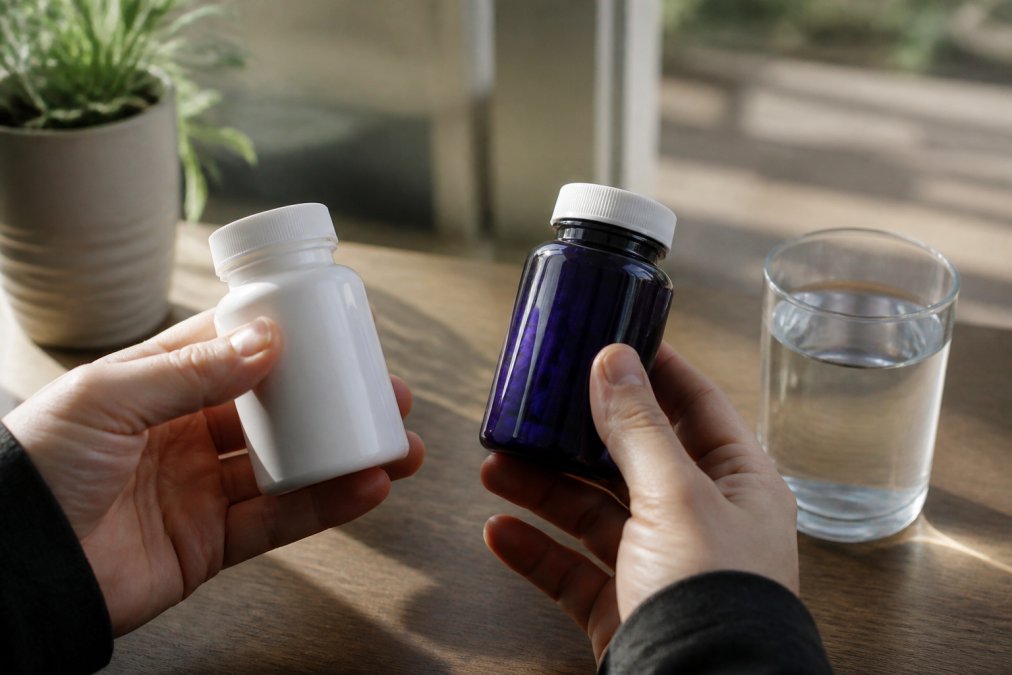
The one scenario where neither is optimal: if cost is your primary constraint, neither NMN nor Tru Niagen is the cheapest NAD+ option. Generic nicotinamide riboside products exist at lower price points, though with less rigorous quality control and no advanced delivery technology. You'll absorb less active compound, but you'll spend less money. This is a legitimate trade-off depending on your budget and priorities.
For most people in the 35-60 age range experiencing energy decline or cognitive fog, starting with either NMN or Tru Niagen makes sense. Give it 4-6 weeks at a consistent dose before assessing. Some people feel a difference within days; others take weeks to notice. If you see no improvement after 6-8 weeks, it may indicate that NAD+ restoration alone isn't addressing your specific issue, other factors like sleep, stress, or metabolic dysfunction might be the limiting factor.
Consider also whether you're taking complementary interventions. NAD+ boosters work synergistically with exercise, particularly resistance training and high-intensity interval training, which naturally increase NAD+ demand and activate sirtuins. If you're sedentary, NAD+ precursors alone will have a smaller impact. If you're already exercising regularly, they'll amplify the benefits you're already getting.
Rejuven8 Pharmaceuticals' approach combines NMN with a 3-step cellular activation protocol designed to optimize NAD+ restoration. The science-backed formula emphasizes advanced delivery technology to maximize bioavailability, addressing the absorption bottleneck that limits standard NMN tablets. For people seeking a comprehensive, clinically validated approach rather than a generic supplement, this represents the premium option in the NMN category.
Conclusion
The choice between NMN and Tru Niagen isn't about finding a universal winner, it's about matching the right NAD+ precursor to your specific biology, goals, and tolerance for emerging science. Both compounds work. Both raise NAD+ levels and support the cellular systems that manage aging. The difference lies in absorption speed, clinical validation, and individual response.
If you're serious about addressing age-related fatigue and cognitive decline through NAD+ restoration, Rejuven8 Pharmaceuticals offers a science-backed NMN formula with advanced delivery technology designed to maximize cellular absorption. The 3-step protocol combines clinically validated ingredients with optimization for bioavailability, giving you the practical advantage of higher effective dose with better cellular uptake. Start with Rejuven8 Pharmaceuticals and experience how superior delivery technology translates to measurable improvements in energy, mental focus, and sustained vitality. Shop Now
Frequently Asked Questions
What is the main difference between NMN and Tru Niagen?
NMN (Nicotinamide Mononucleotide) and Tru Niagen (Nicotinamide Riboside) are both NAD+ precursors, but they differ in molecular structure and how your body processes them. NMN requires enzymatic conversion before entering cells, while Tru Niagen uses specific transporter proteins for cellular uptake. Both aim to increase NAD+ levels, but their absorption pathways and bioavailability differ, which affects how effectively they support cellular energy and mitochondrial function.
Is NMN supplement safety established for long-term use?
NMN has shown a favorable safety profile in clinical trials, with most studies demonstrating tolerability at standard doses. However, long-term human studies remain limited compared to some established supplements. Current research indicates NMN is well-tolerated with minimal side effects, but individuals with sensitive stomachs or those taking specific medications should consult a healthcare provider before starting. Purity and manufacturing standards also affect safety, making third-party testing important.
Do Tru Niagen clinical studies prove it increases NAD+ better than NMN?
Tru Niagen has published clinical studies demonstrating its ability to increase blood NAD+ levels in humans. Research shows Tru Niagen can raise NAD+ by measurable amounts, supporting its efficacy as a NAD+ booster. However, direct head-to-head clinical comparisons between Tru Niagen and NMN in humans are limited. Both compounds increase NAD+ through different metabolic pathways, so effectiveness may vary based on individual biology, absorption capacity, and how your body processes each precursor.
How do NAD+ levels and aging connect?
NAD+ levels naturally decline with age, contributing to reduced cellular energy production, impaired DNA repair, and decreased mitochondrial function. This decline is linked to age-related fatigue, cognitive decline, and slower recovery. By boosting NAD+ levels through supplementation, you support sirtuins and other enzymes that regulate cellular repair and metabolic health. Maintaining higher NAD+ levels may help slow certain aging processes and support healthspan, though individual results depend on genetics, lifestyle, and baseline NAD+ status.
Which NAD+ booster is right for someone with brain fog and afternoon fatigue?
Both NMN and Tru Niagen target cellular energy production, which directly addresses afternoon fatigue and brain fog. The choice depends on your body's absorption capacity and tolerance. If you've had digestive sensitivity with supplements, start with a lower dose and monitor your response. Consistency matters more than the specific product; most people notice improvements in mental clarity and energy within 4-8 weeks of regular use. Consider your budget, preferred dosage form, and any synergistic ingredients that align with your health goals.